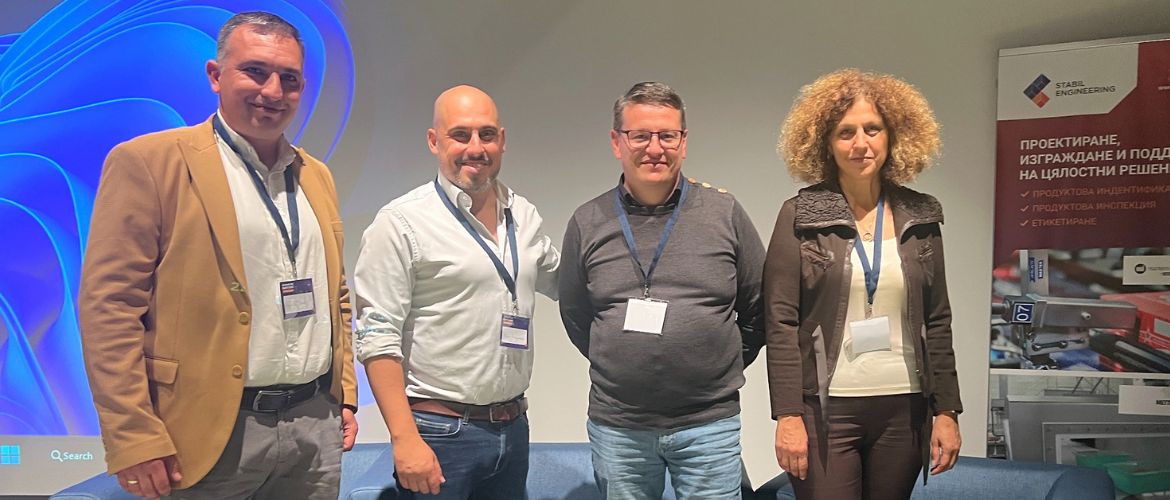
Stabil Engineering hosts Beyond the Barcode conference on the future of product identification
The conference brought together business representatives and technology experts to discuss preparations for the transition to 2D barcodes and their potential applications in manufacturing and retail.
Beyond the Barcode took place in Sofia on 22 October 2026, jointly organised by Stabil Engineering, GS1 Bulgaria and SoftGroup. The event attracted manufacturers, retailers, distributors and technology solution providers, focusing on the changes that the next generation of barcodes will bring to businesses and consumers.
A key topic was the global initiative to prepare retail point-of-sale systems to process certain 2D barcodes based on GS1 standards by the end of 2027. Participants explored how this transition will affect product identification, information management and processes throughout the supply chain.
From the Product Code to the Information Behind It
Tsveta Bratanova, Executive Director of GS1 Bulgaria, presented the objectives of the initiative and the benefits of using two-dimensional barcodes. These can encode additional data, such as batch numbers, expiry dates and serial numbers, to support traceability, inventory management and product control.
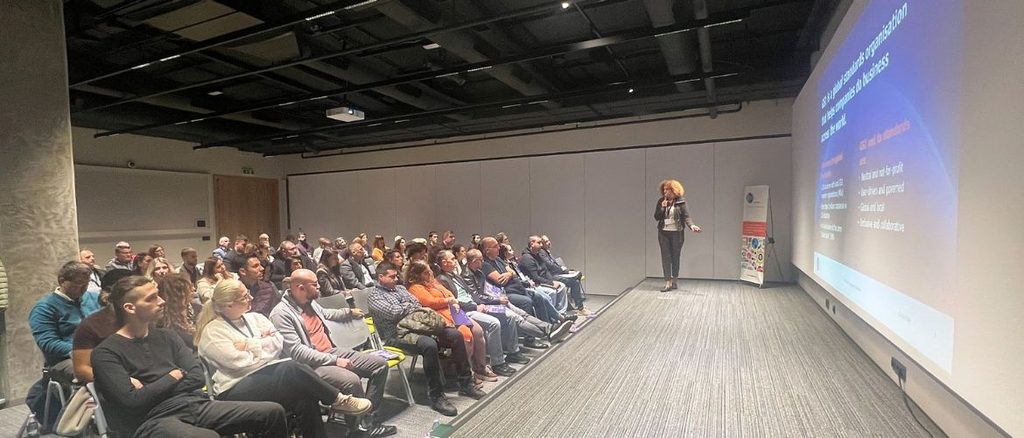
Combined with GS1 Digital Link, the codes also give consumers access to up-to-date product information. International examples illustrated their practical applications: Carla Solà of GS1 Spain shared the success story of Mercadona, the first retailer to introduce 2D barcodes in the Spanish market. Tsvetana Loparska of Mondelēz Bulgaria presented the project involving ORO Saiwa products in Italy. She discussed the challenges of implementation and how companies can prepare in advance.
A GS1 Bulgaria survey of retailers in the country showed that a significant proportion of businesses have yet to prepare for the transition. While 50% of respondents can scan QR codes, only 12.5% have POS systems that are fully ready to process the additional information they contain.
What the Transition Means for Manufacturers
Ivan Bondokov, Commercial Director of Stabil Engineering, presented the technical requirements for the transition to 2D codes. These include selecting a printing technology, taking packaging materials and line speed into account, integrating with existing equipment, and verifying the quality and readability of the printed codes.
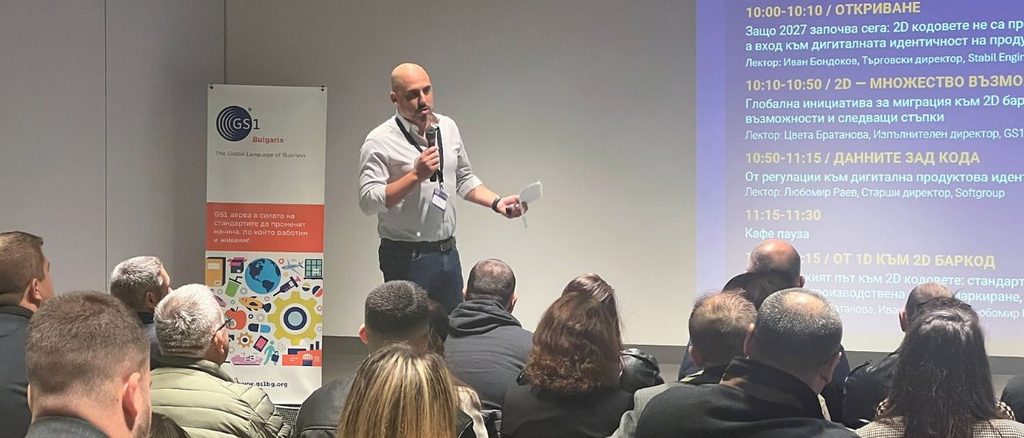
He stressed that decisions need to be based on an assessment of actual production conditions. Companies therefore need to plan changes to their lines according to the content of the code, product characteristics and the requirements of their trading partners.
Lyubomir Raev, Senior Director at SoftGroup, explored the information behind the code in greater detail. His presentation addressed product data management, digital identity and the connection with the development of Digital Product Passports.
Coordinated Preparation Across the Supply Chain
During the panel discussion, Kaloyan Iliev, ERP System Administrator at Makro-Kor OOD, shared the company’s practical experience and readiness to implement 2D barcodes. Questions from the audience steered the discussion towards specific tasks: what data the codes should contain, how it should be managed, what equipment is needed and how to ensure compatibility between systems.
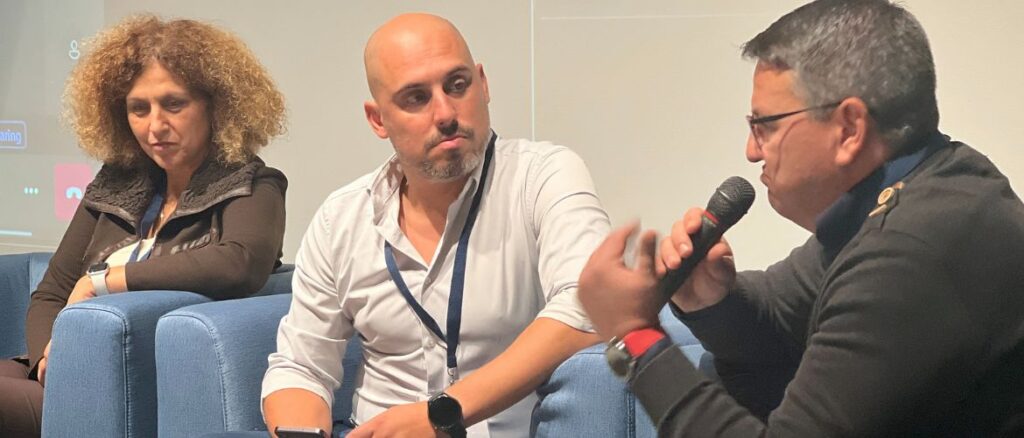
The conference highlighted the need for collaboration between manufacturers, retailers and technology partners. Reliable data, suitable equipment and the use of common standards provide the foundation for successful implementation.
As a co-organiser, Stabil Engineering brought the practical preparation of manufacturing companies to the forefront of the discussion. The company will continue to support businesses in assessing existing lines, selecting and integrating marking technologies, and controlling code quality.