Completed Project: Why Stabil Group created its Code of Ethics – Interview with Dilyana Ivanova
Stabil Group’s Code of Ethics is now a reality, a document that brings together the principles, values, and standards that guide the everyday work of the holding.
It was created as a shared point of reference for behavior, decision-making, and building relationships between colleagues, as well as with clients, partners, institutions, and society. The Code clearly defines what Stabil Group has been consistently building over the years: integrity, responsibility, respect, trust, and professionalism.
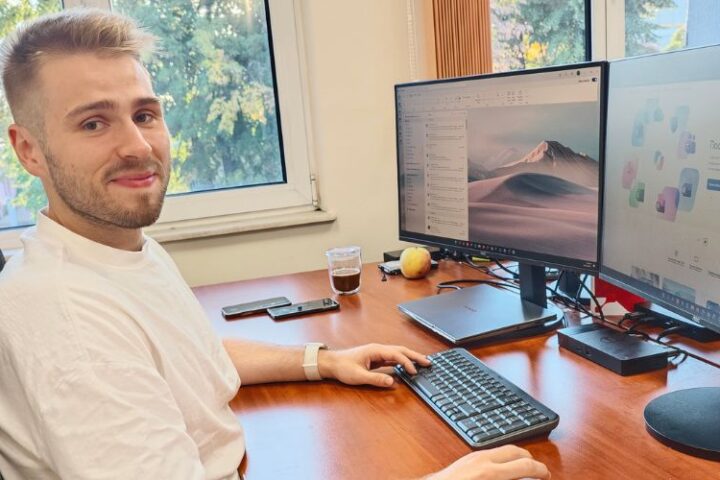
The project was the result of joint work between different teams and specialists, each contributing their experience, perspective, and understanding of the organization’s processes. One of the people actively involved in creating the document is Dilyana Ivanova, Financial Manager at Hydrostab.
In this interview, she talks about how the idea for the Code of Ethics came about, why it is important for the holding to have a unified standard across all companies, and how this document can become a practical tool for everyday work, personal responsibility, and the long-term development of the internal culture.
Hello Dilyana! After a lot of work, Stabil Group’s Code of Ethics is now complete. Let’s start from the very beginning of the project – how did the idea come about?
The idea came from a real need. We realized that we did not have a unified regulatory document that would be universal and valid for all companies within the holding. We needed a clear point of reference, a shared standard that every member of the organization could follow.
What were the main goals you set at the beginning of the process?
Our goal was to formulate and bring together in one document the values and principles that already guide our work every day. In an organization with such a long history, proper management, and well-established working processes that are aligned with both the law and human needs, the foundation was already there. What remained was to put it into a clear framework, a framework that also shows our partners what our moral compass is.
How was the project structured, and which departments were involved in the working process?
A large team of professionals took part in the project. Everyone contributed with their own expertise and left their mark. The variety of perspectives helped us create a document that reflects the real processes within the organization and can be applied in the everyday work of everyone. This is the right moment to thank all the people who believed in the idea and, together, brought the project to its final 40 beautiful pages.

As a Financial Manager, how did your professional experience contribute to defining principles related to transparency, accountability, and corporate responsibility?
The Finance Department is closely connected to all other departments in the organization. We know our colleagues’ work well, as well as the problems and mistakes that may arise when regulatory requirements and accountability are overlooked. As the “liver” of the organization, we try to minimize gaps and clear up problems, so we understand very well the importance of following the rules and maintaining a strong corporate culture.
How did you decide which topics had to be included in the Code?
First, we analyzed our internal practices and the specific characteristics of our organization. Then we looked into international practices as well. The interesting part was that we were able to systematize the principles related to our everyday work quite easily. The hardest part was narrowing them down and choosing the most essential ones.
What was the biggest challenge in structuring the Code so that it would be clear, comprehensive, and practically useful at the same time?
It was a challenge to find the right balance between detailed enough guidance and content that is easy to understand. Our goal was to create a practical tool with clear standards that people can apply in their daily work. That is why we tried to present the principles clearly and specifically, and to connect them with real situations from the working process.
Why was it important for the Code to include not only a “Stabil Principle” but also a “Personal Contribution” section?
Organizational culture is not built through rules alone. It is built through the personal example and everyday actions of each person. The “Stabil Principle” presents the shared values and expectations, while the “Personal Contribution” section shows that everyone has a responsibility to follow them and a role in applying them. In this way, the Code encourages not only compliance with the principles, but also personal commitment to them.
What effect do you expect this project to have on Stabil Group’s internal culture in the long term?
I expect the Code to contribute to an even stronger sense of belonging and responsibility within the organization. In the long term, it will support consistency in behavior, make the onboarding of new colleagues easier, and strengthen the culture of trust, respect, and professionalism that we want to preserve and continue developing.
In your opinion, what are the most important messages the Code sends to the employees within the holding?
Stabil Group’s success is not built only on strong results, but also on the way we achieve them. The Code encourages integrity, respect for people, responsible use of resources, and the willingness to act in the interest of both the organization and society. It shows that every employee is a valuable part of the community and that, through shared values, we build a sustainable future for the company.